
Editor-in-Chief

|
Xing-Jie Liang, National Center for Nanoscience and Technology, Beijing, China Dr. Xing-Jie Liang got Ph.D. at National Key Laboratory of Biomacromolecules, Institute of Biophysics, Chinese Academy of Sciences. He finished his postdoc with Dr. Michael M. Gottesman, member of NAS and Deputy Director of NIH, for 5 years at Laboratory of Cell Biology, Center for Cancer Research, National Cancer Institute, National Institutes of Health. Then he worked as a Research Fellow at Surgical Neurology Branch, NINDS, NIH. Dr. Liang is currently a principal investigator at Center for Excellence in Nanoscience, Chinese Academy of Sciences. As current president of Chinese Association of Nanobiology, he is the elected Fellow of American Institute for Medical and Biological Engineering (AIMBE) and Faculty Member of F1000 Research (Pharmacology & Drug Delivery). Dr. Liang has successfully developed “Injectable Nanomicelle Powder with Irinotecan” approved with CFDA and transferred NDA to pharmaceutical industry for clinical trials. Dr. Liang’s research interests are in elucidating mechanisms to improve drugability and nanomedicinal bioavailability by nanotechnology in vitro and in vivo, and novel strategies to increase therapeutic efficiency on cancers and infective diseases. Developing drug delivery strategies for prevention/circumvent of clinical adaptive treatment tolerance (ATT) is current program ongoing in Dr. Liang’s lab based on the understanding of basic physio-chemical and biological processes of nanomedicine. |
Executive Editor-in-Chief
|
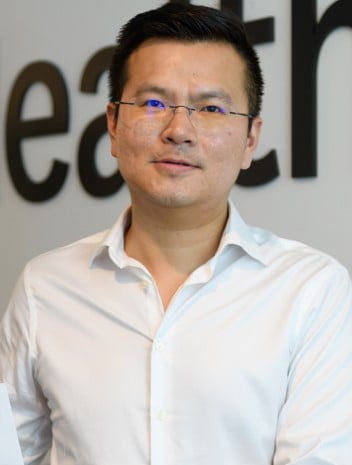
Bingyang Shi, Joint Centre for Biomedical Innovation, Macquarie University, Sydney, Australia After receiving his Ph.D. in the University of Adelaide in 2014, Dr. Shi was awarded Macquarie University Research Fellowship in 2015 and joined Department of Biomedical Sciences to build an independent Brain Drug Delivery Research Group with the supervision of senior mentors. With supporting with numbers of competitive grants (e.g., NHMRC-ARC Dementia Research Development Fellowship, Australian Endeavour Leadership Fellowship, Mason Foundation project, NHMRC project grants and Investigator grant), his Brain Drug Delivery Research Group has been growing to be a Joint Centre for Biomedical Innovation. Dr. Shi’s research ambition is to address a major challenge in the treatment of brain diseases – which is the successful delivery of therapeutic agents across the Blood Brain Barrier (BBB) – the BBB acts as a cellular barrier that prevents toxins, foreign materials and other dangerous molecules from entering the brain, however as a consequence this poses major challenges for getting therapeutic molecules into the brain. To overcome this, he has developed several core patented technologies for brain delivery systems (e.g., Bio-NPs and Glu-NPs), set up collaboration networks across multiple countries, and made close connections with industry and hospital partners, towards practical solutions. |
Deputy Editors & Associate Editors
Chemistry:

|
Deputy Editor | Huiyu Liu, Beijing University of Chemical Technology, Beijing, China Dr. Huiyu Liu completed her Ph.D. degree in the Technical Institute of Physics and Chemistry (TIPC) under the Chinese Academy of Sciences (CAS). Afterward, she worked as an associate professor at TIPC before becoming a full professor and PI of Bionanomaterials & Translational Engineering Laboratory at Beijing University of Chemical Technology in late 2015. Dr. Liu’s research primarily concentrates on the synthesis, characterization, and analysis of various materials’ fundamental properties and their application in the medical field. She has authored and co-authored over 110 peer-reviewed journal articles, and Google Scholar gives a citation of 9,900 times with an h-index of 48. Currently, she serves as the Deputy Editor of Exploration and an Editorial Board Member of Mater. Des., Mater. Express, and BMEMat. Dr. Liu’s website: www.liuhuiyugroup.com Subject Keywords: biomaterials, nanomedicine, nanozyme, phototherapy, sonodynamic therapy |

|
Associate Editor | Daishun Ling, Shanghai Jiao Tong University, Shanghai, China Prof. Daishun Ling received his Ph.D. in School of Chemical and Biological Engineering, Seoul National University. Later, he worked as a professor in the College of Pharmaceutical Sciences, Zhejiang University. Now, he is a full professor in School of Chemistry and Chemical Engineering, Shanghai Jiao Tong University. Prof. Ling’s primary research interest has been focusing on the assembly/disassembly chemistry, stimuli-responsive biomaterials, dynamic nanoassembly based drug delivery systems. Up to now, he has published > 100 papers in prominent international journals including Nature Nanotechnol., Nature Mater., Nature Biomed. Eng., Nature Commun., J. Am. Chem. Soc., Angew. Chem. Int. Ed., Adv. Mater., Adv. Sci., Adv. Funct. Mater., Nano Today, ACS Nano, Nano Lett., ACS Cent. Sci., etc. He has been serving as the Associate Editor of Exploration and Nano Select, Assistant Editor of J. Control Release, Theme Editor of Adv. Drug Deliv. Rev., Academic Editor of The Innovation, and the Editorial Board Member of Sci. Bull. Subject Keywords: nanomaterials, surface chemistry, self-assembly, molecular imaging, biosensor |

|
Associate Editor | Jiajia Xue, Beijing University of Chemical Technology, Beijing, China Jiajia Xue received her Ph.D. degree from Beijing University of Chemical Technology (under the supervision of Prof. Liqun ZHANG) in 2015 and conducted her postdoctoral research in the Department of Biomedical Engineering at Georgia Institute of Technology from 2015 to 2019 (co-advisor: Prof. Younan XIA). She is now a professor at Beijing University of Chemical Technology. Her main research interests include the design of electrospun fiber scaffolds, hydrogels, and elastomer materials for tissue repair and replacement. She has published over 70 peer-reviewed papers, with a citation over 6,000 times. She is the Emerging Investigator in Journal of Materials Chemistry B of Royal Society of Chemistry in 2022. She has also received the 2023 Chinese Association of Biomaterials (CAB) Young Investigator Award. Subject Keywords: electrospun fibers, hydrogels, elastomers, drug delivery, biomaterials, tissue repair, regenerative medicine |

|
Deputy Editor | Qingyu Yan, Nanyang Technological University, Singapore Qingyu Yan is currently a professor in School of Materials Science and Engineering in Nanyang Technological University. He obtained his B.Sc. in Materials Science and Engineering, Nanjing University. He finished his Ph.D. from Materials Science and Engineering Department of State University of New York at Stony Brook. After that, He joined the Materials Science and Engineering Department of Rensselaer Polytechnic Institute as a postdoctoral research associate. He joined School of Materials Science and Engineering of Nanyang Technological University as an assistant professor in early 2008 and became a Professor in 2018. Subject Keywords: thermoelectric, batteries, electrocatalyst |

|
Associate Editor | Jing Jing Duan, Nanjing University of Science and Technology, Nanjing, China Prof. Jing Jing Duan achieved her Ph.D. from School of Chemical Engineering and Advanced Materials, Center for Materials in Energy and Catalysis, at the University of Adelaide in 2016. During 2016 to 2019, Dr. Duan worked as a Research Fellow in Prof. Chuan Zhao’s group at the University of New South Wales, Prof. Allen J. Bard’s group (Father of Modern Electrochemistry) at the University of Texas at Austin, Prof. Shi Zhang Qiao’s group at the University of Adelaide. Then she joined School of Energy and Power Engineering at Nanjing University of Science and Technology as a full professor since 2020. Prof. Duan’s research interests focus on developing clean energy technologies to neutralize carbon emission, including fuel cells, water/N2/CO2 electrolysis et al. She is also devoted to investigating reaction mechanisms by a combination of operando techniques and multiscale simulation. Prof. Duan has received several awards, for example, the 2021 JMCA Emerging Investigator, 2021 National Young Talents, 2020 Top 2% Scientists Globally, 2018 Women’s Research Excellence, 2017 Postgraduate Alumni Medal of the University of Adelaide, etc. Subject Keywords: energy conversion, energy storage, electrocatalysis, photocatalysis, materials |

|
Associate Editor | Ho Won Jang, Seoul National University, Seoul, Korea Ho Won Jang is a full professor in Department of Materials Science and Engineering at Seoul National University. He earned his Ph.D. from the Department of Materials Science and Engineering of Pohang University of Science and Technology in 2004. He worked as a research associate at University of Madison-Wisconsin from 2006 to 2009. Before he joined Seoul National University in 2012, he worked at Korea Institute of Science and Technology as a senior research scientist. He is a member of Young Korean Academy of Science and Technology. His research interests include materials synthesis and device fabrication for solar fuel generation, chemical sensing, nonvolatile data storage, neuromorphic computing, plasmonics, ferroelectronics, and metal-insulator transition. He has published more than 430 papers in international refereed journals. Subject Keywords: electrochemical catalysis, solar fuels, electrochemical energy storage and harvesting, chemical sensors, 2D materials, neuromorphic computing, memristors |

|
Deputy Editor | Kelong Fan, Institute of Biophysics, CAS, Beijing, China Prof. Kelong Fan received his Ph.D. degree in cell biology from the Institute of Biophysics, Chinese Academy of Sciences in 2014. After which he stayed to further pursue 3 years postdoc training and 2 years of associate professor work experience before attaining a full professor position in 2019. He is interested in exploring the novel functions and applications of nanozyme in biomedicine, with top priority to design functional nanozyme by learning from nature, and to develop novel strategies for disease theranostics. He now serves as Associate Editor of Exploration and Guest Editor of Frontiers in Chemistry. Subject Keywords: nanozyme, ferritin, tumor catalytic therapy, drug delivery, protein & peptides |

|
Associate Editor | Jianxun Ding | Changchun Institute of Applied Chemistry, CAS, China Dr. Jianxun Ding received his Ph.D. in Polymer Chemistry and Physics from Changchun Institute of Applied Chemistry, Chinese Academy of Sciences, P. R. China, in 2013. From 2017 to 2019, He worked as a Postdoctoral Research Fellow at Brigham and Women’s Hospital, Harvard Medical School. His research focuses on synthesizing biodegradable bioactive polymers, developing bioresponsive polymer platforms for controlled drug delivery, exploiting polymer-based adjuvants for immunotherapy, and preparing polymer scaffolds for regenerative medicine. He has published over 150 scientific publications and authorized over 30 patents. |

|
Associate Editor | Yuanyu Huang, Beijing Institute of Technology, Beijing, China Dr. Yuanyu Huang received his Ph.D. degree in Biotechnology from Peking University in 2013. After 3 years postdoctoral training, he joined Beijing Institute of Technology in 2016 as an Associate Professor and Principal Investigator. He was prompted to a Professor in 2020. Dr. Huang’s primary research interest focuses on the development of nucleic acid-based therapeutics, including designing and optimizing nucleic acid molecules (siRNA, mRNA, Aptamer, CRISPR/Cas, etc.), exploring innovative drug delivery system and their translational medicine applications in the treatment of diverse diseases. He has published more than 70 scientific publications and filed more than 10 patents, including two authorized PCT applications. Subject Keywords: siRNA, mRNA, nucleic acid therapeutic, drug delivery, nanomedicine |

|
Associate Editor | Meiwan Chen, University of Macau, Macau, China Prof. Meiwan Chen received her Ph.D. degree in Pharmaceutics from Sun Yat-sen University in 2010. After training as a postdoc for 2 years, she joined Institute of Chinese Medical Science as an assistant professor at the University of Macau in 2012, and was further promoted to associate professor and full professor in 2018 and 2022, respectively. Her research focuses on biomaterial and nanomedicine, especially on development of novel drug delivery systems for active ingredients from Chinese medicine. She now serves as an Associate Editor of Exploration. Subject Keywords: drug delivery, drug carrier, Chinese medicine, cancer therapy |

|
Deputy Editor | Yu Chen, Shanghai University, Shanghai, China Prof. Yu Chen received his PhD degree at Shanghai Institute of Ceramics, Chinese Academy of Sciences (SICCAS). He was the full professor in SICCAS. He is now the full professor in Shanghai University. His research focuses on materdicine, nanomedicine and nanobiotechnology, which involve the design, fabrication, biomedical application and clinical translation of versatile biomaterials, including drug/gene delivery, molecular imaging, chemoreactive nanomedicine, energetic nanomedicine, theragenerative biomaterials, nanodynamic therapy and localized disease therapy. He is 2018, 2019 and 2020 Highly Cited Researcher by Clarivate Analytics, Web of Science. Subject Keywords: tissue engineering, mesoporous materials, drug delivery, molecular imaging, nanomedicine |

|
Associate Editor | Zi (Sophia) Gu, University of New South Wales, Sydney, Australia Zi (Sophia) Gu is an Associate Professor at the School of Chemical Engineering, University of New South Wales (UNSW Sydney). She leads a NanoBiotechnology Research Group at UNSW, and is currently a principal investigator in Australian Centre for NanoMedicine and UNSW RNA Institute. After obtaining PhD at the University of Queensland, she secured a NHMRC Fellowship and joined UNSW in 2016. Her research focuses on developing advanced nanomaterials and delivery strategies to address critical issues in health and medicine. To date, she has published over 80 journal papers in the areas of nanomaterials and nanomedicine. Her research focuses on developing advanced nanomaterials to address critical issues in health and medicine. She utilises interdisciplinary approaches that integrate material chemistry, biomedical engineering and nanotechnology to synthesise functional nanoparticles, optimise their biomedical properties, and develop advanced delivery nanoparticles, smart bioimaging probe, and other bio-functional nanomaterials. She has published over 70 research papers on Advanced Materials, Advanced Functional Materials, Advanced Science, Small, Small Methods, Biomaterials etc., with a total citation of >3500 and H-index of 34 (Google scholar, Mar 2023). She has been awarded competitive grants from ARC, NHMRC and NSW Health (>1M as Lead CI in recent 3 years). She organised several international nanomedicine and advanced materials conferences. She serves as an Associate Editor for Exploration and Journal of Nanobiotechnology, and an active reviewer for ARC and NHMRC. Subject Keywords: Drug delivery, molecular bioimaging, nanosheet, nanomedicine, nanobiotechnology |

|
Associate Editor | Linlin Li, Beijing Institute of Nanoenergy and Nanosystems, Chinese Academy of Sciences, Beijing, China Linlin Li received her Ph.D. degree from the Technical Institute of Physics and Chemistry, Chinese Academy of Sciences in 2008. Now She is a full professor and PI in Beijing Institute of Nanoenergy and Nanosystems, Chinese Academy of Sciences. Her research interest focuses on the smart biomaterials, nanomedicines and self-powered bioelectronics for disease therapy, regenerative medicine, and biosensing. She has published over 140 peer-reviewed journal articles. These publications have attracted more than 11,000 citations (h-index of 48). She now serves as Associate Editor of Exploration and Chinese J. Anal. Chem., Academic Editor of The Innovation, and Editorial Board Member of BMEMat. Subject Keywords: smart biomaterials, nanomedicines and self-powered bioelectronics for disease therapy, regenerative medicine, and biosensing |

|
Deputy Editor | Wei Tao, Harvard Medical School, Boston, USA Prof. Wei Tao is a Farokhzad Family Distinguished Chair for Innovation and a Principal Investigator in the Center for Nanomedicine, and a Faculty Member in the Department of Anesthesiology, Perioperative, and Pain Medicine at Brigham and Women’s Hospital (BWH), Harvard Medical School (HMS). He is also the first Chaired Professor as an assistant professor in the history of his institution. He has received multiple awards/grants including the U.S. METAvivor Early Career Investigator Award, HMS/BWH Anaesthesia Department Basic Scientist Grant, Khoury Innovation Award, Center for Nanomedicine Research Fund, Stepping Strong Breakthrough Innovator Award, American Heart Association (AHA) Collaborative Sciences Award, MIT Technology Review Top Chinese Innovators Under 35 (TR35), Clarivate’s Global Highly Cited Researchers List (2021), World’s Top 2% Scientists (from Mendeley Data, Elsevier; 2019, 2020), Microsoft Academic Global Top 5 Trending Authors in Nanotechnology (2016-2020) and Top Authors in Nanomedicine, Chemical Society Reviews (IF=54.564) Emerging Investigator, Materials Today (IF=31.041) Rising Star Award, Journal of Materials Chemistry A (IF=12.732) Emerging Investigator, Materials Horizons (IF=13.266) Top 10 Outstanding Reviewers, Nanoscale (IF=7.790) Emerging Investigator, Precision Nanomedicine Rising Talents, etc. He also serves on numerous editorial boards including as Associate Editor of Journal of Nanobiotechnology (IF=10.435; Springer Nature & BMC) and Exploration (Wiley), Editorial Board Member of Bioactive Materials (IF=14.593; Elsevier, KeAi), Nano-Micro Letters (IF=16.419; Springer Nature), and Advisory Board Member of Matter (IF=15.589; Cell Press). Subject Keywords: biomaterials, nanotechnology, RNA medicine, drug delivery |

|
Associate Editor | Xiaoyuan Ji, Tianjin University, Tianjin, China Prof. Xiaoyuan Ji is the full professor in Tianjin University and the deputy director of the Engineering Research Center of the Ministry of Education for Intelligent Medical Engineering. He received his PhD degree at Institute of process engineering, Chinese Academy of Sciences and Harvard University. His research interest is focused on biomaterials, nanomedicine and nanobiotechnology, which involve the design, fabrication, biomedical application and clinical translation of versatile biomaterials, including heterojunction nanomedicine, micron/nano robot, drug/gene delivery, nanodynamic therapy, nanocatalytic therapy, and localized disease therapy. He has published many papers in top journals including Nature Communications, Science Advances, Advanced Materials, Angewandte Chemie International Edition et al. Prof. Ji has received multiple awards/grants including the Outstanding Youth Foundation (National Natural Science Foundation), Chinese Medical Science and Technology Award, Clarivate’s Global Highly Cited Researchers List (2022), World’s Top 2% Scientists (from Mendeley Data, Elsevier; 2021, 2022). He also serves on numerous editorial boards including as Associate Editor of Exploration, Editorial Board Member of The Innovation, Chinese Chemical Letters, Current Medicinal Chemistry et al. Subject Keywords: nanomedicine, biomaterial, nanotechnology, drug delivery, tissue engineering |

|
Associate Editor | Han Lin, Shanghai Institute of Ceramics Chinese Academy of Sciences, Shanghai, China Han Lin received his Ph.D. degree from Shanghai Institute of Ceramics Chinese Academy of Sciences (SICCAS), in 2019. He is now an associate professor at SICCAS, and a Principal Investigator at Shanghai Tenth People’s Hospital of Tongji University. His research interest is in the design and synthesis of low-dimensional biomaterials, revealing nano-bio interactions (theoretical modeling and mechanism studies), and exploring their various biomedical applications including cancer theranostics, infectious disease, bone regeneration and so on. He has authored and co-authored over 70 peer-reviewed academic papers in highly reputed journals. Google Scholar gives a citation of 9,000 times with a h-index of 41. Subject Keywords: materials science, nanobiotechnology, biomedical engineering, 2D nanomaterials |
Sustainability:

|
Associate Editor | Chengliang Wang | Huazhong University of Science and Technology, Wuhan, China Chengliang Wang is a full professor at the Huazhong University of Science and Technology. He received his bachelor’s degree from the Nanjing University in 2005 and Ph.D. degree from the Institute of Chemistry, Chinese Academy of Sciences, in 2010. He then worked at the Chinese University of Hong Kong, the University of Muenster, and the Technical University of Ilmenau till 2016. He then joined in the Huazhong University of Science and Technology as a full professor. He is working on novel conjugated organic and polymeric materials for optoelectronics and batteries and particularly focuses on green rechargeable batteries, sustainability, recyclability and carbon neutralization. |

|
Associate Editor | Zhi-Gang Chen | Queensland University of Technology, Queensland, Australia Zhi-Gang Chen is a founding director for the ARC Research Hub in Zero-emission Power Generation for Carbon Neutrality and a Capacity Building Professor in Energy materials, and Academic Research Lead in the School of Chemistry and Physics at the Queensland University of Technology. He got his Ph.D. in materials science and engineering from the Institute of Metal Research, Chinese Academy of Sciences in 2008. His expertise is in sustainable functional materials, thermoelectrics, advanced manufacturing, and advanced microscopy. He is a highly cited Clarivate researcher with 450 peer-reviewed publications, which have attracted a Scopus citation of >34,500 and an H index of 100. |
Senior Editorial Board Members
William A. Banks, University of Washington, Seattle, USA
Cyrille Boyer, University of New South Wales, Sydney, Australia
Ashley Bush, The University of Melbourne, Melbourne, Australia
Yihai Cao, Karolinska Institutet, Stockholm, Sweden
Chunying Chen, National Center for Nanoscience and Technology, Beijing, China
Guoping Chen, National Institute for Materials Science, Tsukuba, Japan
Xuesi Chen, Changchun Institute of Applied Chemistry, CAS, Changchun, China
Thomas Davis, The University of Queensland, Queensland, Australia
Kenneth Dawson, University College Dublin, Dublin, Ireland
Chunhai Fan, Shanghai Jiao Tong University, Shanghai, China
Omid C. Farokhzad, Harvard Medical School, Boston, USA
David Galbraith, University of Arizona, Tucson, USA
Ewa Goldys, University of New South Wales, Sydney, Australia
J. Justin Gooding, University of New South Wales, Sydney, Australia
Ning Gu, Southeast University, Nanjing, China
Zaiping Guo, The University of Adelaide, Adelaide, Australia
Zijian Guo, Nanjing University, Nanjing, China
Taeghwan Hyeon, Seoul National University, Seoul, Republic of Korea
Mietek Jaroniec, Kent State University, Kent, USA
Lei Jiang, Beihang University, Beijing, China
Il-Doo Kim, , Korea Advanced Institute of Science and Technology, Republic of Korea
Dan Li, The University of Melbourne, Melbourne, Australia
Yuehe Lin, Washington State University, USA
Wolfgang Parak, Universität Hamburg, Hamburg, Germany
Shi-Zhang Qiao, The University of Adelaide, Adelaide, Australia
Alan Rowan, The University of Queensland, Brisbane, Australia
Chun-Peng Song, Henan University, Kaifeng, China
Martina Stenzel, University of New South Wales, Sydney, Australia
Ben Zhong Tang, The Hong Kong University of Science and Technology, Hong Kong, China
Pall Thordarson, University of New South Wales, Sydney, Australia
Joseph Wang, University California, San Diego, USA
Xuelu Wang, Henan University, Kaifeng, China
Paul Weiss, University of California, Los Angeles, USA
Andrew Whittaker, The University of Queensland, Brisbane, Australia
Xiyun Yan, Institute of Biophysics, CAS, Beijing, China
Yadong Yin, University of California, USA
Juyoung Yoon, Ewha Womans University, Seoul, Korea
Shu-Hong Yu, University of Science and Technology of China, Hefei, China
Kourosh Kalantar Zadeh, The University of Sydney, Sydney, Australia
Gaiping Zhang, Henan Agricultural University, Zhengzhou, China
Dongyuan Zhao, Fudan University, Shanghai, China
Yuliang Zhao, National Center for Nanoscience and Technology, Beijing, China
Massimo Bottini, University of Rome Tor Vergata, Italy
Weibo Cai, University of Wisconsin – Madison, Madison, USA
Jun Chen, University of California, USA
Hangrong Chen, Shanghai Institute of Ceramics, CAS, Shanghai, China
Zhe-Sheng (Jason) Chen, St. John’s University, USA
João Diogo Osório de Castro Conde, NOVA Medical School, Universidade Nova de Lisboa, ToxOmics, United Kingdom
Daxiang Cui, Shanghai Jiao Tong University, Shanghai, China
Zongqiang Cui, Wuhan Institute of Virology, CAS, Wuhan, China
Zhifei Dai, Peking University, Beijing, China
Yizhou Dong, Icahn School of Medicine at Mount Sinai, USA
Rawil Fakhrullin, Kazan Federal University, Russia
Wei Gao, California Institute of Technology, USA
Peixuan Guo, The Ohio State University, USA
Zhen Gu, Zhejiang University, Hangzhou, China
Gang Han, University of Massachusetts Medical School, Worcester, USA
Yu Han, King Abdullah University of Science and Technology (KAUST), Saudi Arabia
Xiaojing Hao, University of New South Wales, Sydney, Australia
Tony Hu, Tulane University, USA
Xingyu Jiang, Southern University of Science and Technology, Shenzhen, China
Yan Jiao, University of Adelaide, Australia
Yan Jin, Air Force Medical University, China
Deling Kong, Nankai University, Tianjin, China
Jun-Seok Lee, Korea University, Republic of Korea
Ki-Bum Lee, The State University of New Jersey, New Jersey, USA
David Tai Wei Leong, National University of Singapore, Singapore
Guanna Li, Wageningen University, Netherlands
Qin Li, Griffith University, Queensland, Australia
Yaping Li, Shanghai Institute of Materia Medica, CAS, Shanghai, China
Kang Liang, The University of New South Wales (UNSW), Australia
Gang Liu, Xiamen University, Xiamen, China
Juewen Liu, Waterloo University, Canada
Zhuang Liu, Soochow University, Suzhou, China
Jonathan Lovell, University at Buffalo, State University of New York, USA
Olivia Merkel, Ludwig-Maximilians-Universität München, Germany
Michael J. Mitchell, University of Pennsylvania, USA
Guangjun Nie, National Center for Nanoscience and Technology, Beijing, China
Ling Peng, Aix Marseille University, CNRS, Center Interdisciplinaire de Nanoscience de Marseille, France
Amirali Popat, The University of Queensland, Brisbane, Australia
Kanyi Pu, Nanyang Technological University, Singapore
Zhiyong Qian, Sichuan University, Chengdu, China
Xiaogang Qu, Changchun Institute of Applied Chemistry, CAS, Changchun, China
Shisong Rong, Harvard Medical School, USA
Zongping Shao, Nanjing Tech University, Nanjing, China
Youqing Shen, Zhejiang University, Hangzhou, China
Jing Sun, Griffith University, Queensland, Australia
Liangliang Sun, Michigan State University, USA
Xun Sun, Sichuan University, Chengdu, China
Hang Ta, Griffith University, Queensland, Australia
Peter Timashev, Sechenov University, Moscow, Russia
Krasimir Vasilev, Flinders University. Australia
Ernst Wagner, Ludwig-Maximilians-Universität München, Germany
Changyong Wang, Academy of Military Medical Sciences, Beijing, China
Hongxia Wang, Queensland University of Technology, Brisbane, Australia
Jun Wang, New York University,USA
Qiangbin Wang, Suzhou Institute of Nano-Tech and Nano-Bionics, CAS, Suzhou, China
Gareth R. Williams, UCL School of Pharmacy, UK
Aiguo Wu, Ningbo Institute of Materials Technology and Engineering, CAS, Ningbo, China
Jingwei Xie, University of Nebraska Medical Center, USA
Benggang Xing, The Hong Kong Polytechnic University, Hong Kong, China
Gordon Xu, The University of Queensland, Brisbane, Australia
Qiaobing Xu, Tufts University, USA
Xue Xue, Nankai University, China
Zhimou Yang, Nankai University, Tianjin, China
Yusuke Yamauchi, Nagoya University, Japan
Cunjiang Yu, Pennsylvania State University, USA
Yanglun Yu, Chinese Academy of Forestry, China
Quan Yuan, Wuhan University, Wuhan, China
Shanqing Zhang, Griffith University, Queensland, Australia
Zhihong Zhang, Huazhong University of Science and Technology, Wuhan, China
Chun-Xia Zhao, The University of Adelaide, Adelaide, Australia
Yanli Zhao, Nanyang Technological University, Singapore
Guizhi (Julian) Zhu, University of Michigan, USA
Rongrong Zhu, School of Life Sciences and Technology, Tongji University, Shanghai, China
Senior Editor

|
David Lovejoy, Macquarie University, Sydney, Australia Dr. David Lovejoy is currently working as a Research Fellow in the Department of Biomedical Sciences, Macquarie University. He is an experienced biomedical researcher and medicinal chemist. He has highly relevant experience in drug development and has successfully commercialized drug technology. He is serving as an editorial member and reviewer of several international reputed journals. |

|
Yang Liu , Henan University, Zhengzhou, China Yang received a Ph.D. from Macquarie University, Australia, and an M.D. from Zhejiang University, China. He possesses extensive research experience spanning aging & regeneration medicine, senescence & induced pluripotent stem cells, omics & targetable biomarkers identification, brain diseases & targeted therapy, gene therapy & nutrigenomics, biomacromolecule drugs & nano-bioeffect. As the first/corresponding author or equal contributing author, Yang has published over 10 papers in esteemed journals including Nat. Nanotechnol., Sci. Adv., Adv. Mater., J. Control. Release, and Biomaterials. Additionally, he has contributed to studies published in Nat. Commun., Angew. Chem., Adv. Sci., and others, totaling more than 10 additional papers. Yang joined Exploration (Wiley) upon its establishment in 2021, where he handles general academic and international communication affairs. |

|
Chloe (Xue) Xia, Henan University, Zhengzhou, China Chloe joined Exploration (Wiley) in 2021 after completing her Ph.D. in Biological Sciences at the University of Newcastle, Australia. Her research expertise spans diverse areas including brain diseases, gene therapy, plant physiology, and targeted therapy. Chloe has authored over 10 publications in reputable journals such as Adv. Mater. and J. Exp. Bot., serving as either the first or corresponding author. Moreover, her collaborative efforts have also been recognized in publications like Nat. Commun. and Adv. Sci. At Exploration (Wiley), Chloe manages general academic editorial tasks and oversees international affairs. |
Managing Editor

|
Xin Wang, Henan University, Zhengzhou, China Xin Wang obtained his Ph.D. from Nanjing University in 2020. Up to now, he has published > 20 papers in international journals including Nature, Nature Commun., J. Am. Chem. Soc., Adv. Sci., ACS Catal., CCS Chem., etc. |

|
Congli Zhou, Henan University, Zhengzhou, China Congli Zhou completed her Ph.D. from Zhejiang University in 2019. She worked three years at the National Center for Protein Sciences (The PHOENIX Center, Beijing) as a postdoctoral researcher before joining Exploration. |

|
Cai Qi, Henan University, Zhengzhou, China Cai Qi received Ph.D from Institute of Mechanics, Chinese Academy of Sciences (CAS) and postdoctoral in Institute of Biophysics, CAS. He worked eight years at the Chinese Academy of Inspection and Quarantine. Now, work in Henan University as distinguished professor and Yellow River scholar before joining Exploration. |

|
Panpan Yang, Henan University, Zhengzhou, China Panpan has been instrumental in managing general affairs at the Exploration editorial office since its establishment in 2021. He oversees editorial board communication & recruitment & management, conference organization, as well as journal marketing promotions. Panpan earned his Master’s degree from the Reference Laboratory for the Test of Veterinary Drug Residues (Ministry of Agriculture and Rural Affairs of China), Huazhong Agricultural University in 2013, focusing on molecular mechanisms of pharmacology and toxicology. Possessing national dietitian and experimental animal practice qualifications, he brings over 8 years of industrial and managerial experience to his role before joining the editorial office. |

|
José Oliveira, John Wiley & Sons, Inc. José Oliveira obtained his B.Sc. (Hons) and Ph.D. at the University of the Witwatersrand, Johannesburg. Before joining Wiley in 2001, he worked at the University of Antwerp. He is the Editor-in-Chief of Small. |
|
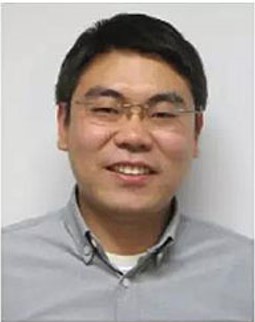
Guangchen Xu, John Wiley & Sons, Inc. Guangchen Xu obtained his B.Sc. and Ph.D. (Hons) from the Beijing University of Technology. He spent a year at Michigan State University as a visiting scholar. Before joining the Wiley team in Beijing in 2011, he was an Assistant Professor at Beijing University of Technology. |
|
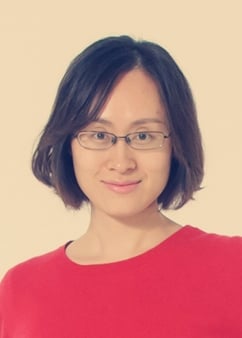
Jing Zhu, John Wiley & Sons, Inc. Jing Zhu completed her Ph.D. from Shanghai Jiao Tong University in 2011, during this period, she studied and worked in Guelph Food Research Centre, Agriculture and Agri-Food Canada as a joint Ph.D. student for 2 years. Jing joined Wiley in July 2011 as a journal Editor and is based in Wiley’s Shanghai office. |
Publisher

|
Hanyi Xie, John Wiley & Sons, Inc. Hanyi Xie obtained her BSc at Shandong University, followed by her PhD in a joint program at Peking University and the National Center for Nanoscience and Technology. She joined Wiley in 2021. |